
IMF keeps Pakistan review open amid Middle East turmoil
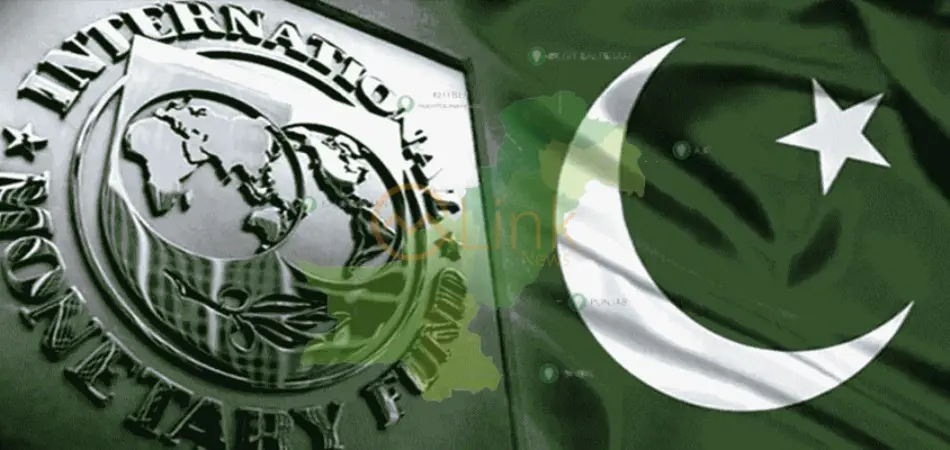
MG News | March 12, 2026 at 09:28 AM GMT+05:00

March 12, 2026 (MLN): Pakistan’s ongoing engagement with the International Monetary Fund (IMF) has entered a critical phase.
Discussions on the third review of the country’s Extended Fund Facility (EFF) program and the second review under the Resilience and Sustainability Facility (RSF) have extended beyond the formal mission schedule.
The delay comes as both sides assess rising global uncertainties and their potential impact on Pakistan’s economic outlook and the ongoing reform program.
An IMF delegation led by Iva Petrova held detailed talks with Pakistani authorities in Karachi and Islamabad, as well as virtually, from February 25 to March 11.
At the conclusion of the mission, the Fund noted that significant progress had been made, but key discussions would continue in the coming days before a final agreement is reached.
The ongoing review is part of Pakistan’s 37-month Extended Arrangement under the EFF, which forms the backbone of the country’s macroeconomic stabilization framework, alongside the 28-month Resilience and Sustainability Facility, aimed at strengthening climate resilience and structural reforms.
The program is broadly on track
According to the IMF’s end-of-mission statement, program implementation remained broadly aligned with commitments through February 2026, indicating that Pakistan has largely adhered to the fiscal, monetary and structural targets agreed under the program.
The talks focused heavily on maintaining fiscal consolidation, ensuring that government finances remain on a sustainable trajectory.
This includes continued efforts to expand revenues, contain expenditure pressures, and manage public debt risks.
Another key pillar of the program is tight monetary policy, designed to anchor inflation expectations and gradually bring price pressures within the target range of the State Bank of Pakistan.
The IMF emphasized the need to keep monetary conditions sufficiently restrictive until inflation shows durable signs of returning to the central bank’s target band.
Energy sector restructuring once again featured prominently in the negotiations. Pakistan’s power sector, long plagued by inefficiencies and mounting circular debt, remains one of the most persistent risks to fiscal stability.
The Fund and Pakistani authorities discussed measures aimed at improving the financial viability of the energy sector, including tariff adjustments, governance reforms, and stronger cost recovery mechanisms.
These reforms are considered essential for reducing the circular debt burden, which continues to weigh on public finances and investor confidence.
Beyond stabilization, the IMF has urged Pakistan to deepen structural reforms to unlock sustainable growth.
During the mission, particular emphasis was placed on policies that could support investment, productivity, and private-sector development.
Authorities also highlighted their intention to strengthen social protection programs while gradually rebuilding public spending on health and education, areas that saw compression during earlier phases of fiscal adjustment.
Such measures are seen as crucial for maintaining political and social support for the reform program.
The IMF also acknowledged progress under the Resilience and Sustainability Facility, a financing framework aimed at helping vulnerable economies address climate risks.
Pakistan has completed several reform measures under the facility, including steps designed to enhance climate resilience, strengthen disaster preparedness, and integrate climate considerations into fiscal planning.
Given Pakistan’s exposure to climate shocks, including floods and extreme weather events, the RSF program is expected to play an increasingly important role in shaping the country’s long-term economic resilience.
However, the review discussions were overshadowed by growing geopolitical risks, particularly the escalating conflict in the Middle East.
The IMF mission confirmed that talks included a detailed assessment of how the regional conflict could affect Pakistan’s economic outlook, balance of payments position, and external financing needs.
For Pakistan, an energy-importing economy, volatile and rising oil prices pose a direct threat to macroeconomic stability.
Higher fuel costs could widen the current account deficit, increase inflationary pressures, and strain fiscal resources through energy subsidies.
At the same time, tighter global financial conditions may complicate Pakistan’s ability to access external financing on favorable terms.
The successful completion would unlock the next tranche of IMF funding and signal continued confidence in Pakistan’s reform trajectory.
The IMF’s statement suggested that while no major derailment has occurred, finalizing the review will require a clearer assessment of external risks and their implications for the program.
Copyright Mettis Link News
Related News

.jpg?width=280&height=140&format=Webp)
| Name | Price/Vol | %Chg/NChg |
|---|---|---|
| KSE100 | 167,089.28 109.91M | -0.21% -352.63 |
| ALLSHR | 101,117.40 308.32M | -0.15% -155.10 |
| KSE30 | 49,841.71 50.59M | -0.28% -142.15 |
| KMI30 | 240,372.43 78.75M | -0.02% -45.72 |
| KMIALLSHR | 65,518.16 188.07M | -0.05% -35.70 |
| BKTi | 46,228.77 7.60M | -0.60% -281.04 |
| OGTi | 33,974.66 4.20M | -0.27% -91.31 |
| Symbol | Bid/Ask | High/Low |
|---|
| Name | Last | High/Low | Chg/%Chg |
|---|---|---|---|
| BITCOIN FUTURES | 83,280.00 | 83,320.00 82,645.00 | 810.00 0.98% |
| BRENT CRUDE | 104.54 | 105.09 102.33 | 0.26 0.25% |
| RICHARDS BAY COAL MONTHLY | 128.50 | 0.00 0.00 | 0.75 0.59% |
| ROTTERDAM COAL MONTHLY | 143.40 | 143.40 143.40 | -1.15 -0.80% |
| USD RBD PALM OLEIN | 1,167.50 | 1,167.50 1,167.50 | 0.00 0.00% |
| CRUDE OIL - WTI | 91.66 | 0.00 0.00 | -0.19 -0.21% |
| SUGAR #11 WORLD | 20.27 | 20.44 20.09 | 0.12 0.60% |
Chart of the Day
Latest News
Top 5 things to watch in this week
 PIB Auction
Pakistan Stock Movers
| Name | Last | Chg/%Chg |
|---|
| Name | Last | Chg/%Chg |
|---|