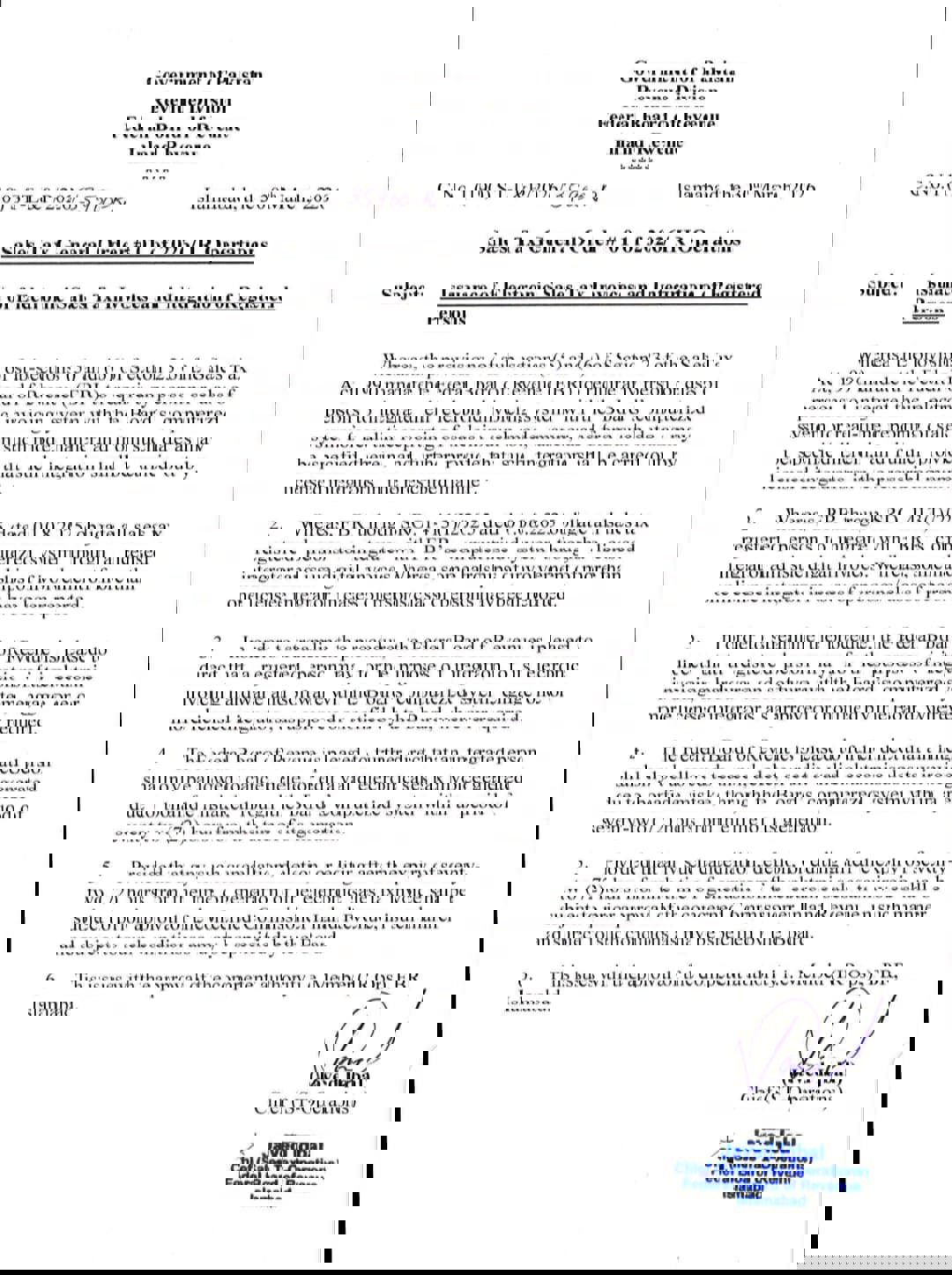
March 31, 2026 (MLN): The Federal Board of Revenue (FBR) has imposed a strict 72-hour limit for any cancellation, deletion, or amendment of electronic sales tax invoices, in a sweeping move to tighten compliance and curb post-reporting adjustments under Sales Tax General Order No. 01 of 2026.
Under the order, all registered sales tax persons integrated with the FBR’s computerized system will only be allowed to modify invoices within three days of issuance, and that too strictly in cases of bona fide errors.
The changes must be executed through the FBR’s centralized digital platform, reinforcing real-time reporting and audit trails.
Beyond this 72-hour window, any alteration will require prior approval from the concerned Commissioner Inland Revenue, subject to conditions prescribed by the Board.
This effectively introduces an additional layer of scrutiny for retrospective adjustments, limiting the room for misuse of invoice editing after reporting.
The development comes as part of FBR’s broader push to operationalize provisions under the Sales Tax Act, 1990, which mandates integration of electronic invoicing systems with the tax authority for real-time sales reporting.
The framework had earlier been enforced through SRO 1413(I)/2025, requiring businesses to adopt digital invoicing via licensed integrators.
Addressing implementation challenges flagged by taxpayers, the FBR has now provided greater operational flexibility by allowing registered persons to engage one or more licensed integrators for system integration.
Previously, reliance on a single integrator had created bottlenecks and technical dependencies for certain sectors and business classes.
The order clarifies that integration must still be carried out through FBR-approved or notified integrators, ensuring standardization and system compatibility while accommodating business-specific requirements.
From a policy standpoint, the introduction of a defined time cap for invoice adjustments signals FBR’s intent to minimize after-the-fact manipulation of sales data, a long-standing concern in tax administration.
By locking invoices after 72 hours, the authority aims to strengthen documentation, improve traceability of transactions, and enhance the integrity of reported sales figures.
However, the move is expected to increase compliance pressure, particularly for businesses with complex supply chains or high transaction volumes, where operational errors may not always be identified within the stipulated timeframe.
The requirement for Commissioner-level approval beyond 72 hours could also introduce procedural delays.
Despite these concerns, the measure aligns with Pakistan’s ongoing transition toward a fully digitized and transparent tax ecosystem, where real-time data integration plays a central role in enforcement and revenue mobilization.
The order has been issued with the approval of the competent authority, Member Inland Revenue (Operations), and is effective immediately.
Copyright Mettis Link News




.jpg?width=280&height=140&format=Webp)
 PIB Auction