
Pakistan accelerates towards self-reliance in vaccine production
MG News | February 03, 2026 at 11:10 AM GMT+05:00

February 03, 2026 (MLN): Pakistan is making significant strides toward self-reliance in the health sector, with a comprehensive national strategy to establish domestic vaccine manufacturing capabilities.
The initiative is designed to reduce the country’s
dependence on imported vaccines, meet national immunization needs, and position
Pakistan as a potential participant in the global vaccine market.
The move comes amid rising demand and financial pressure, as
Pakistan currently requires over 141 million vaccine doses annually. With the
imminent exit of GAVI subsidies, the cost of procuring vaccines is expected to
increase significantly, which highlights the urgency of developing local
production capacity.
In a major step to strengthen bilateral cooperation, an
eleven-member high-level delegation from the Kingdom of Saudi Arabia, led by
Nizar Al-Hariri, senior adviser to the Saudi Minister of Industry, visited
Pakistan.
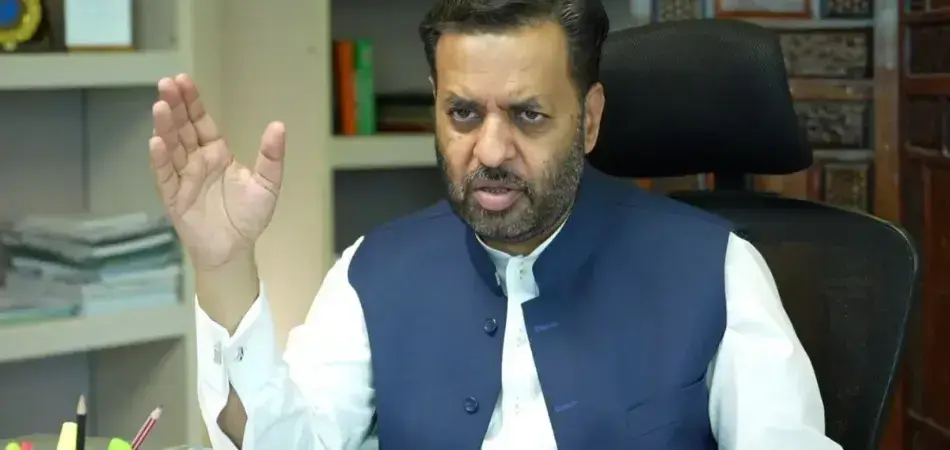
During the visit, the delegation held discussions with
Federal Health Minister Mustafa Kamal and senior officials of Pakistan’s
Ministry of Health to explore opportunities for collaboration in vaccine
manufacturing.
Minister Kamal emphasized the government’s strong commitment
to establishing local production facilities and reaffirmed that ensuring the
availability of safe, high-quality vaccines remains a top priority.
Pakistan has outlined a phased strategy to achieve vaccine
self-sufficiency.
Initially, production will focus on basic fill-and-finish
operations, gradually advancing to complete end-to-end vaccine manufacturing
with technology transfer and local capability development at each stage,
according to the brief presented by the Heads of the Ministry of Health and its subordinate institutions to the delegation including the Chief Executive Officer of the Drug Regulatory Authority of Pakistan (DRAP) and the Chief Executive Officer of the National Institute of Health (NIH).
The initiative also includes the creation of a collaborative
platform, the National Vaccine Alliance, bringing together government,
industry, and technical experts to optimize manufacturing capacity, facilitate
training, and support market access.
A dedicated Implementation Review Committee will oversee
execution, monitor progress, and ensure coordination among stakeholders.
The country’s regulatory framework is also being
strengthened. The Drug Regulatory Authority of Pakistan, currently at WHO
Maturity Level-2, is targeting Level-3 certification by late 2026.
Upgrades are planned for the National Control Laboratory for
Biologicals, along with the hiring of additional technical personnel to fill
workforce gaps. These measures aim to ensure the highest standards of vaccine
safety and quality.
Financial and policy incentives are being designed to
encourage investment in local manufacturing. A National Vaccine Fund will
provide patient capital through structured investment mechanisms, while fiscal
incentives, including tax exemptions and investment allowances, are intended to
reduce financial risk.
Long-term procurement and buy-back contracts are planned to
guarantee market stability and support commercial viability. Additionally, a
national seed bank will secure access to master seed stocks, essential for
continuous vaccine production.
Pakistan is engaging with multiple international partners
for technical collaboration and knowledge transfer.
The recent visit by the Saudi delegation is viewed as a
significant opportunity to strengthen bilateral cooperation, explore investment
avenues, and integrate global best practices into the domestic manufacturing
ecosystem.
If successfully implemented, this initiative is expected to
achieve vaccine self-sufficiency, reduce foreign exchange expenditure, and
create a sustainable domestic manufacturing ecosystem.
It could position
Pakistan as a regional vaccine hub with the capacity to serve both domestic and
international markets while ensuring the long-term sustainability of the
national immunization program beyond GAVI support.
Minister Mustafa Kamal highlighted that local vaccine production is not only a public health priority but also a strategic economic initiative.
Copyright Mettis Link News
Related News
.png?width=280&height=140&format=Webp)

| Name | Price/Vol | %Chg/NChg |
|---|---|---|
| KSE100 | 167,089.28 109.91M | -0.21% -352.63 |
| ALLSHR | 101,117.40 308.32M | -0.15% -155.10 |
| KSE30 | 49,841.71 50.59M | -0.28% -142.15 |
| KMI30 | 240,372.43 78.75M | -0.02% -45.72 |
| KMIALLSHR | 65,518.16 188.07M | -0.05% -35.70 |
| BKTi | 46,228.77 7.60M | -0.60% -281.04 |
| OGTi | 33,974.66 4.20M | -0.27% -91.31 |
| Symbol | Bid/Ask | High/Low |
|---|
| Name | Last | High/Low | Chg/%Chg |
|---|---|---|---|
| BITCOIN FUTURES | 83,505.00 | 84,320.00 82,645.00 | 1035.00 1.26% |
| BRENT CRUDE | 104.54 | 0.00 0.00 | -0.18 -0.17% |
| RICHARDS BAY COAL MONTHLY | 128.50 | 0.00 0.00 | 0.75 0.59% |
| ROTTERDAM COAL MONTHLY | 143.40 | 143.40 143.40 | -1.15 -0.80% |
| USD RBD PALM OLEIN | 1,167.50 | 1,167.50 1,167.50 | 0.00 0.00% |
| CRUDE OIL - WTI | 91.66 | 0.00 0.00 | -0.19 -0.21% |
| SUGAR #11 WORLD | 20.27 | 20.44 20.09 | 0.12 0.60% |
Chart of the Day
Latest News
Top 5 things to watch in this week
 PIB Auction
Pakistan Stock Movers
| Name | Last | Chg/%Chg |
|---|
| Name | Last | Chg/%Chg |
|---|