
SBP Monetary Policy Decision
Asad Rizvi | July 27, 2026 at 11:05 AM GMT+05:00

July 27, 2026 (MLN): The recent upgrade of Pakistan's credit rating by
S&P to ‘B’ (up from ‘B-’) with a Stable outlook confirms the stabilisation
achieved under the IMF, but it does not create any opportunity for a rate
reduction.
Nonetheless, the rising oil prices are of significant concern since
Pakistan is heavily reliant on imported energy, which continues to be a
structural vulnerability.
Exports have fallen significantly short of expectations, missing targets by $ 5.2 billion in FY26. This shortfall hinders foreign exchange earnings, worsening the trade deficit and increasing dependency on remittances and other foreign inflows.
Consequently, securing financing remains a challenge, making
it difficult to maintain foreign exchange reserves at healthy levels without
constant borrowings.
Despite these challenges, the economy is currently in a stronger position compared to 2-3 years ago. Reserves are being rebuilt, the fiscal situation has improved, and credibility has undoubtedly increased, as evidenced by S&P's upgrade, which helps silence critics.
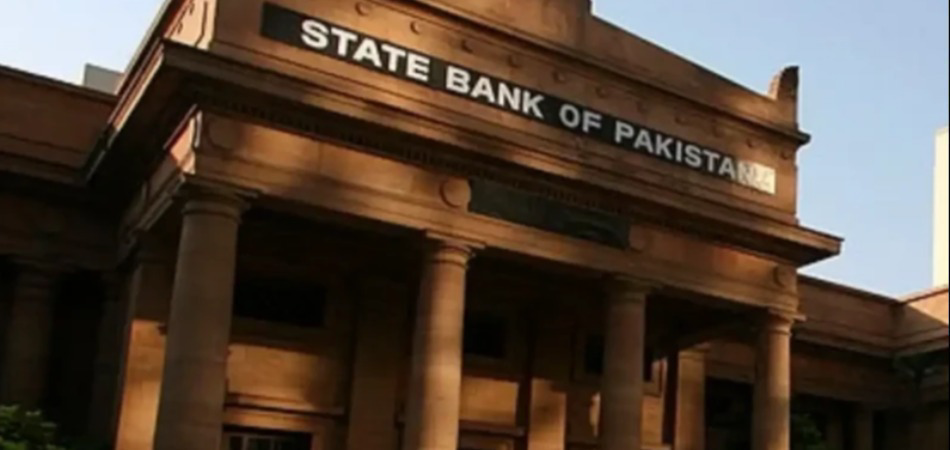
The SBP’s decision to tighten monetary
policy to 11.5% is likely aimed at managing these risks.
The upcoming Monetary Policy Committee meeting may highlight the
importance of data dependence along with geopolitical and commodity risks.
A primary concern for SBP policymakers is the sharp rise in headline
inflation, which surged from 7.3% in March to 10.9% in April and 11.7% in May
2026, driven by increased energy prices, transport costs, and wheat/product
prices amid tensions in the Middle East.
Therefore, in spite of rising oil prices, it is expected that in order to
reach a growth target of 3.5% for the upcoming fiscal year, the SBP may find it
premature to adjust the policy rate, and as a result, it is likely to stay
steady at 11.5%.
S&P Global Ratings has recently raised Pakistan's long-term sovereign credit rating to 'B' from 'B-' with a stable outlook as of July 22, 2026, which is positive news.
However, it’s important to note that a 'B' rating falls into
the speculative-grade (or "junk") category, significantly below the
investment-grade threshold (BBB-).
This upgrade reflects advancements in foreign exchange reserves, primary
surpluses, and the debt-to-GDP ratio, as well as positive outcomes from IMF
reviews, yet the nation’s credit profile remains vulnerable.
Improved ratings can lower sovereign borrowing costs, enabling Pakistan
to potentially re-enter international capital markets for Eurobonds or
syndicated loans. A reduction in external financing costs could benefit trade
finance and banks' interbank operations.
Despite the 'B' rating, Pakistan remains in a high-risk category, unable to tolerate any lapses in policy or reforms.
Continuous reform efforts are
crucial in areas such as tax policy (with a need to raise the low tax-to-GDP
ratio to around 13%–15%), energy tariffs (which are consistently rising), and
expenditure control, as any shortcomings could quickly impact the rating
negatively.
External vulnerabilities and financial dependence are also significant risks, particularly the reliance on IMF disbursements and bilateral rollovers from Saudi Arabia, the UAE, China, and others.
Higher oil prices and ongoing
tensions in the Middle East pose ongoing threats, alongside border tensions
with India and Afghanistan.
Thus, it is vital for Pakistan to strive toward achieving a 'BB' rating
over time. A crucial focus area is enhancing the tax base through improved
documentation, and targeting sectors such as retail, wholesale, and
agricultural income tax wherever feasible.
Sustaining credible primary surpluses while controlling expenditures is essential. Building foreign exchange reserves for at least four months of imports, along with a buffer for shocks, is necessary.
Improvements to the
current account through exports are important, and despite the State Bank of
Pakistan maintaining remittance targets, global uncertainties and unrest in the
Middle East require careful management.
Domestic debt management is another concern that needs addressing, with a
focus on extending average maturities and reducing the reliance on expensive
short-term debt. The government must ensure that ongoing tax reforms are not
reversed for short-term political gains, as this would be harmful.
While the upgrade to 'B' alleviates some immediate pressures, Pakistan is still not in a secure position and must pursue deeper, ongoing reforms.
It’s
crucial to recognise that simply creating agencies isn't enough. Sustained
actions and reforms are needed to reach the next level, such as 'BB-' or 'BB',
which may take approximately 2–4 years, if the required measures are taken.
Thus, structural improvements are required across five well-known areas:
institutional and political, economic, fiscal, external, and monetary and
financial stability. S&P has already indicated that further advancements
depend on strengthening fiscal and external metrics structurally.
Revenue mobilisation to increase the tax-to-GDP ratio decisively
(targeting 13–15% in the next couple of years) is essential. Controlling
expenditures and reducing the debt-to-GDP ratio to around 65% is also
necessary. Rating agencies look for rising revenue as a percentage of GDP while
seeking lower financing costs.
Efforts should focus on boosting GDP growth to about 5% or more, shifting
growth beyond reliance on consumption and remittances. Consequently, boosting
exports, with an aim of increasing by at least 25% annually, is critical.
Core reforms must continue without political interference or policy changes. More broadly, there should be no policy reversals for at least the next 12 months, ensuring that the tax-to-GDP ratio, foreign exchange reserves, and primary reserves remain stable throughout this period.
With strong
execution, reaching 'BB-' within 2–3 years and 'BB' within 4-5 years is
achievable, assuming the economy remains unaffected by major external shocks.
Copyright Mettis Link News
Related News
_20260126115701440_af4631%20(3)_20260914115350308_11eb60.webp?width=280&height=140&format=Webp)

| Name | Price/Vol | %Chg/NChg |
|---|---|---|
| KSE100 | 163,038.47 114.58M | 0.41% 663.59 |
| ALLSHR | 98,887.69 371.89M | 0.27% 267.58 |
| KSE30 | 48,091.01 47.80M | 0.56% 267.86 |
| KMI30 | 233,976.84 49.26M | 0.53% 1242.85 |
| KMIALLSHR | 64,092.91 187.27M | 0.21% 137.24 |
| BKTi | 44,832.63 16.31M | 0.24% 108.46 |
| OGTi | 33,378.35 2.75M | 1.04% 344.63 |
| Symbol | Bid/Ask | High/Low |
|---|
| Name | Last | High/Low | Chg/%Chg |
|---|---|---|---|
| BITCOIN FUTURES | 79,985.00 | 81,450.00 79,240.00 | -1220.00 -1.50% |
| BRENT CRUDE | 116.88 | 117.44 114.00 | 0.16 0.14% |
| RICHARDS BAY COAL MONTHLY | 128.50 | 0.00 0.00 | -0.35 -0.27% |
| ROTTERDAM COAL MONTHLY | 147.10 | 0.00 0.00 | 0.10 0.07% |
| USD RBD PALM OLEIN | 1,182.50 | 1,182.50 1,182.50 | 0.00 0.00% |
| CRUDE OIL - WTI | 102.71 | 103.13 100.33 | -0.56 -0.54% |
| SUGAR #11 WORLD | 19.09 | 19.89 18.85 | -1.15 -5.68% |
Chart of the Day
Latest News
Top 5 things to watch in this week
Pakistan Stock Movers
| Name | Last | Chg/%Chg |
|---|
| Name | Last | Chg/%Chg |
|---|